


Great Psychological Thriller Traits: What Makes an Outstanding Psychological Thriller?

You sit down. The room darkens. The pages whisper secrets. You don’t just read a psychological thriller—you live it. The tension coils tighter. Your breath catches. You wonder: what makes a psychological thriller unforgettable? What pulls you deeper into the shadows, twisting your mind until you question everything?
I’ve spent years dissecting this genre. Crafting stories that linger like a ghost’s touch. Stories that unsettle, disturb, and haunt. Today, I’ll share the traits that define an outstanding psychological thriller. The traits that grip you, refuse to let go, and echo long after the last word.
Great Psychological Thriller Traits: The Heart of the Darkness
Psychological thrillers are not just about crime or mystery. They are about the mind—fragile, fractured, and unreliable. The best ones tap into primal fears, the unknown lurking within ourselves.
Here’s what sets them apart:
Unreliable Narrators: You never quite trust what you’re told. The narrator’s mind twists reality. Are they lying? Or losing grip on sanity? This uncertainty fuels suspense.
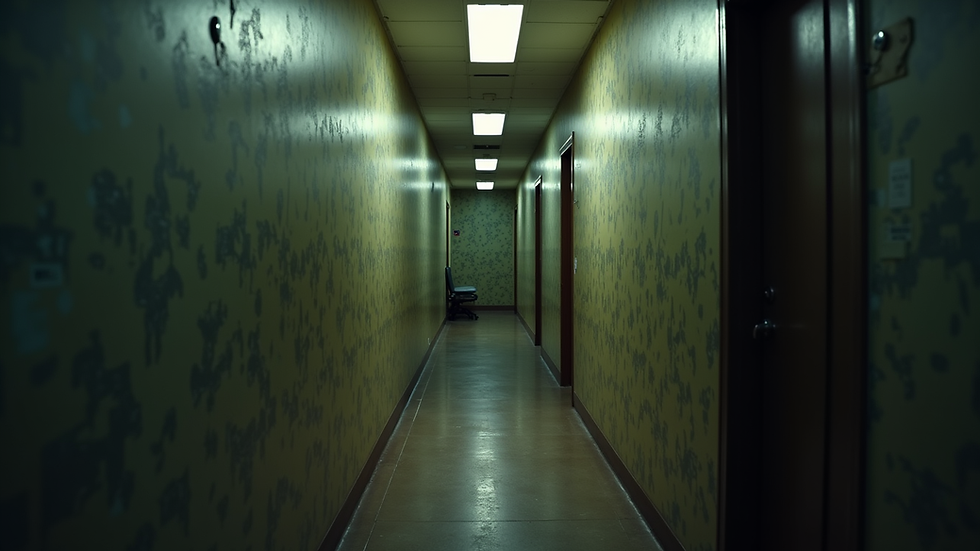
Atmosphere of Unease: The setting feels alive—creeping shadows, cold silences, and claustrophobic spaces. The environment mirrors the characters’ turmoil.
Slow-Burning Tension: It’s not about fast action. It’s the creeping dread, the small details that build unease. Every sentence tightens the noose.
Complex Characters: Flawed, layered, and deeply human. Their fears, secrets, and obsessions drive the plot. You see their darkness—and maybe your own.
Twists That Resonate: Not cheap shocks, but revelations that reframe everything. They make you rethink the story, the characters, even your own assumptions.
These traits are the backbone of every great psychological thriller. They create a world where nothing is certain, and every truth is suspect.

The Power of Atmosphere and Mood
Atmosphere is the silent character in every psychological thriller. It’s the fog that blurs the edges of reality. The cold wind that whispers secrets. The creak of floorboards in an empty house.
To build this atmosphere, writers use:
Sensory Details: Sounds, smells, textures. The rustle of leaves, the metallic scent of blood, the chill of a damp room.
Pacing: Slow moments that stretch time, making you hyper-aware of every tick of the clock.
Symbolism: Objects or settings that hint at deeper meanings—broken mirrors, locked doors, fading photographs.
This mood isn’t just background. It’s a living, breathing force that shapes the story. It pulls you in, makes you uneasy, and keeps you guessing.
How to Make a Good Psychological Thriller?
Crafting a psychological thriller is like walking a tightrope. One misstep, and the tension collapses. But done right, it’s a dance with the darkest corners of the mind.
Here’s how I approach it:
Start with a Strong Hook
Grab attention immediately. A cryptic line, a disturbing image, or a question that won’t let go.
Create an Unreliable Narrator
Give your protagonist flaws that cloud their perception. Maybe they’re hiding something—or hiding from themselves.
Build Layers of Mystery
Drop clues, but keep some hidden. Let readers piece together the puzzle, but never hand it to them outright.
Use Short, Punchy Sentences
Keep the rhythm tight. Short sentences increase tension. They mimic a racing heartbeat.
Play with Perspective
Shift viewpoints or timelines. Confuse and disorient just enough to keep readers on edge.
Reveal Twists Slowly
Don’t rush. Let the shock land with full force. Make it meaningful, not just surprising.
End with Ambiguity
Leave questions unanswered. Let the story haunt readers, lingering in their minds.
By following these steps, you create a story that grips, twists, and refuses to let go.

Characters: The Mind’s Maze
Characters in psychological thrillers are not heroes or villains in the traditional sense. They are puzzles. Their minds are labyrinths filled with secrets, lies, and fears.
Key character traits include:
Psychological Depth: Their motivations are complex. Trauma, obsession, guilt—they shape every decision.
Moral Ambiguity: They blur the lines between right and wrong. You sympathise, but you also fear them.
Isolation: Physical or emotional isolation heightens vulnerability and paranoia.
Internal Conflict: Their greatest battles are within. Doubt, fear, and madness wage war in their minds.
Take Shirley Jackson’s characters—haunted, fragile, and deeply human. Or Stephen King’s—flawed, terrifying, yet strangely relatable. Their characters don’t just live in the story; they are the story.
The Role of Suspense and Pacing
Suspense is the heartbeat of a psychological thriller. It’s the slow drip of fear, the tightening coil of tension.
To master suspense:
Use Repetition: Repeat key phrases or images to build unease.
Create False Security: Moments of calm that lull readers before the next shock.
Employ Cliffhangers: End chapters with questions or threats.
Control Information: Reveal just enough to keep readers hooked, but never the whole picture.
Pacing is your tool. Slow it down to build dread. Speed it up to unleash chaos. The rhythm should mimic the protagonist’s mental state—uneven, unpredictable, intense.
If you want to dive deeper into what makes a good psychological thriller, this blend of atmosphere, character, and suspense is your blueprint.
The Lasting Impact: Why These Traits Matter
An outstanding psychological thriller doesn’t just entertain. It stays with you. It seeps into your dreams. It makes you question your own mind.
These traits—unreliable narrators, haunting atmosphere, complex characters, and masterful suspense—combine to create stories that linger. They challenge perception. They twist reality. They unsettle.
That’s the power of a great psychological thriller. It’s not just a story. It’s an experience. A journey into the darkest corners of the human psyche.
And that’s exactly where I want to take you.
Ready to lose yourself in a world where nothing is as it seems?
Where every shadow hides a secret?
Where your mind is the ultimate battleground?
That’s the promise of a psychological thriller done right. And that’s the promise I make with every book I write.
Dive in. The darkness is waiting.


Comments