


Crafting Thriller Novels: The Art of Psychological Suspense

You want to dive deep. To unsettle. To grip readers by the throat and refuse to let go. That’s the power of a psychological thriller. It’s not just about the plot. It’s about the mind. The shadows lurking in the corners of thought. The whispers that make you question what’s real.
I write in that space. Where fear is subtle. Where tension coils tight. Where every word counts. Every sentence pulses with dread. If you want to learn how to write a psychological thriller novel, you’re in the right place. Let’s peel back the layers.
Crafting Thriller Novels: Building the Mind Maze
Start with the mind. Your characters’ minds. Their fears. Their secrets. Their lies. Psychological thrillers thrive on complexity. Not just external threats, but internal battles. The slow unraveling of sanity. The creeping doubt that poisons trust.
Think of your protagonist as a labyrinth. Twisting corridors, dead ends, hidden rooms. Each chapter should lead readers deeper into confusion and suspense. Keep them guessing. Keep them off balance.
Create flawed characters. Perfect heroes bore no one. Give them scars—emotional, mental, or physical.
Use unreliable narrators. Make readers question what they see. What they hear. What they believe.
Layer your plot. Subplots that echo the main theme. Secrets that surface like ghosts.
Play with perception. What’s real? What’s imagined? What’s a lie?
The key is to drip-feed information. Never reveal too much at once. Let tension build like a storm on the horizon.

How Long Should a Psychological Thriller Novel Be?
Length matters. But not in the way you think. Psychological thrillers demand tight control. Every word must pull its weight. No room for fluff. No space for wandering.
Typically, these novels range between 70,000 and 90,000 words. Enough to build suspense, develop characters, and deliver a punchy climax. But don’t get hung up on numbers. Focus on pacing.
Short chapters keep the rhythm sharp. They mimic quick breaths, racing hearts.
Cliffhangers at chapter ends compel readers to turn the page.
Varied sentence length creates tension. Short, abrupt sentences for shock. Longer, winding ones for unease.
Remember: the goal is to keep readers hooked. To make them feel the pulse of the story in their veins.
The Power of Setting and Atmosphere
Setting is your silent partner. It whispers dread. It shapes mood. It traps your characters in claustrophobic spaces or vast, empty voids. Both can terrify.
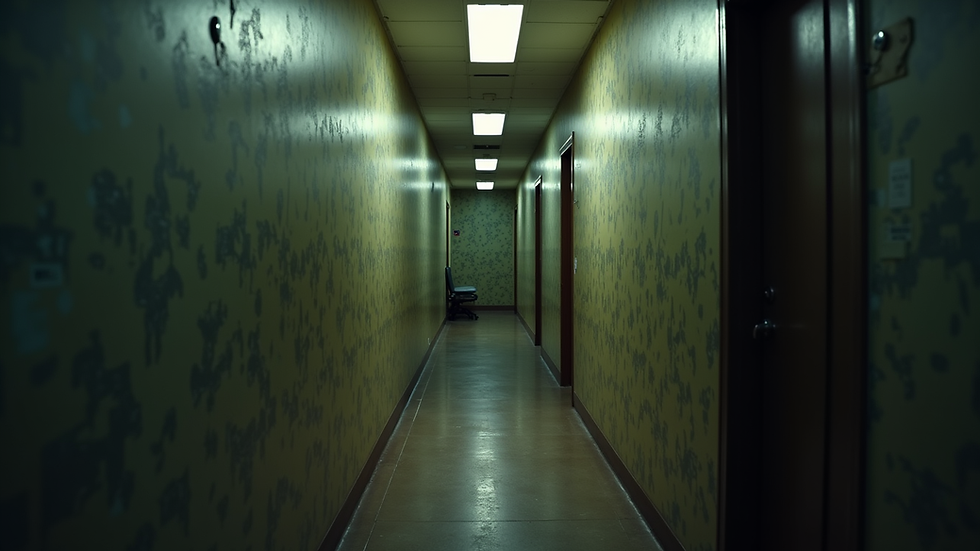
Choose settings that reflect the psychological state of your characters. A crumbling house mirrors a fractured mind. A foggy forest hides unseen threats. A sterile hospital corridor echoes cold isolation.
Use sensory details to immerse readers:
The creak of floorboards underfoot.
The stale scent of forgotten rooms.
The chill of a sudden breeze.
The flicker of shadows dancing on walls.
These details anchor the story in reality while twisting it into nightmare.

Crafting Unforgettable Villains and Twists
A psychological thriller needs a villain who haunts the mind. Not just a brute force, but a presence that lingers. Someone who manipulates, deceives, and breaks down the protagonist’s reality.
Make your antagonist complex. Give them motives that blur the line between right and wrong. The best villains believe they’re the hero of their own story.
Twists are the heartbeat of the genre. But they must feel earned. Foreshadow carefully. Drop subtle clues. Then hit readers with revelations that shatter their assumptions.
Avoid clichés. Surprise with originality.
Use misdirection. Lead readers down false paths.
Make twists personal. Tie them to character fears and secrets.
The shock should sting. But also make perfect sense in hindsight.
Writing Style: The Language of Unease
Your prose is your weapon. Lean into short, sharp sentences. Use vivid verbs that snap and crackle. Repeat key phrases to hammer home dread.
Think of your writing as a pulse. It speeds up. It slows down. It skips beats. Use ellipses and dashes to break rhythm and unsettle readers. Let your words echo the fractured minds you portray.
Blend poetic fragments with conversational asides. Whisper secrets directly to the reader. Make them complicit in the darkness.
Here’s a taste:
The door creaks open... silence. A breath. A heartbeat. Then—nothing. Or is it?
This style keeps readers on edge. It pulls them deeper into the story’s shadows.
Writing a psychological thriller is a journey into the unknown. It demands precision, patience, and a willingness to explore the darkest corners of the mind. If you want to master this craft, start by understanding the delicate balance between suspense and revelation.
For a detailed guide on how to write a psychological thriller novel, dive into resources that break down the process step-by-step.
Your story will linger. It will haunt. It will twist perception and refuse to let go. That’s the power of a psychological thriller. That’s the art you’re about to master.


Comments