


Psychological Thriller Writing Guide: Crafting Engaging Psychological Thriller Novels

You want to grip your reader. To pull them deep into shadows where nothing is quite what it seems. The air thickens. The mind twists. You write with sharp, jagged edges. Every sentence a pulse. Every word a whisper or a scream. This is the art of the psychological thriller. It’s not just a story. It’s a trap. A maze. A mirror reflecting the darkest corners of the human psyche.
I write in this vein. Leaning into suspense, tension, and the unsettling rhythm of fear. Like Stephen King’s slow burn or Shirley Jackson’s eerie quiet, my novels linger long after the last page. They haunt. They unsettle. They make you question what you thought you knew.
Let me take you through the essentials of writing an engaging psychological thriller novel. The kind that twists your mind and refuses to let go.
The Heart of a Psychological Thriller: Psychological Thriller Writing Guide
What makes a psychological thriller tick? It’s not just the plot. It’s the mind games. The unreliable narrators. The slow drip of paranoia. The tension that tightens like a noose.
Start with characters who are flawed, complex, and deeply human. They should wrestle with their own demons. Their fears. Their secrets. The reader must feel trapped inside their heads, unsure what’s real and what’s illusion.
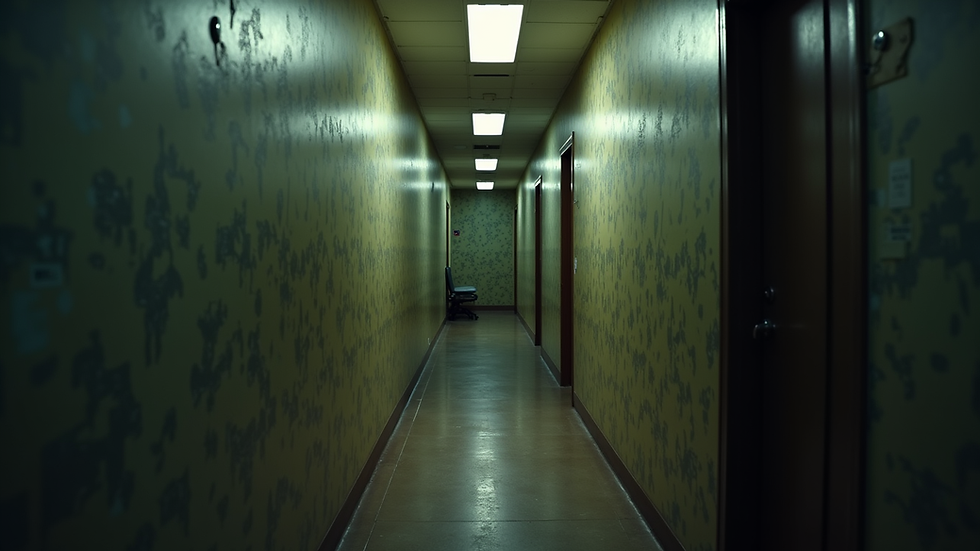
Setting matters. A claustrophobic house. A foggy town. A lonely road at night. The environment should echo the psychological tension. It’s a character in itself.
Pacing is your weapon. Short, punchy sentences. Moments of silence. Sudden bursts of action. Repeat key phrases to hammer home dread. Use ellipses and dashes to break rhythm and unsettle the reader.
Plot twists? Yes. But subtle. Not cheap shocks. The kind that make readers question everything they thought they knew. The kind that linger.
Here’s a quick checklist to keep your psychological thriller sharp:
Create unreliable narrators who blur truth and fiction.
Build suspense through atmosphere and mood rather than just action.
Use symbolism and motifs to deepen the psychological layers.
Reveal secrets slowly - drip feed information.
Keep stakes personal and emotional - fear that cuts close to the bone.
If you want to dive deeper, check out this how to write a psychological thriller novel guide for more detailed tips and techniques.

How Long Should a Psychological Thriller Novel Be?
Length matters. But not in the way you might think. Psychological thrillers thrive on tension and pacing. Too long, and the suspense drains away. Too short, and the story feels rushed.
Most psychological thrillers fall between 70,000 and 90,000 words. This range gives you enough room to develop characters, build atmosphere, and layer your plot with twists.
Think of it like a tightrope walk. Every word counts. Every scene must push the story forward or deepen the psychological complexity.
If you’re writing your first thriller, aim for around 80,000 words. That’s enough to craft a full, immersive experience without losing momentum.
Remember: brevity sharpens suspense. Cut the fluff. Keep sentences lean. Let the tension breathe in the spaces between words.
Building Suspense: The Power of Atmosphere and Uncertainty
Suspense is the lifeblood of psychological thrillers. It’s the slow burn that keeps readers turning pages at 2 AM. But how do you build it?
Start with atmosphere. Use sensory details that evoke unease:
The creak of floorboards in an empty house.
The smell of rain on dry earth.
Shadows that flicker just beyond sight.
Make your reader feel the environment. Let them hear the silence. Smell the fear.
Next, embrace uncertainty. Your protagonist should question everything. Their memories. Their perceptions. Their sanity. The reader should feel this doubt too.
Use unreliable narration to great effect. Drop hints that something is off. Contradictory details. Memories that don’t add up. This keeps readers guessing.
Repetition is a subtle tool. Repeat a phrase or image to create a sense of obsession or dread. It’s like a heartbeat beneath the story.
And don’t forget the pace. Slow down to stretch tension. Speed up to snap nerves. Use short, sharp sentences to mimic a racing heart.

Characters That Haunt: Crafting Minds That Twist and Turn
Characters in psychological thrillers are not just players. They are puzzles. Their minds are battlegrounds.
Create protagonists with fractured psyches. Maybe they suffer from trauma, guilt, or paranoia. Maybe they hide dark secrets. Their internal conflict drives the story.
Antagonists should be equally complex. Not just villains, but forces that challenge the protagonist’s reality. Sometimes the antagonist is a part of the protagonist’s mind.
Use dialogue sparingly but sharply. Let characters reveal their fears and motivations in clipped, tense exchanges.
Show their vulnerabilities. Let readers glimpse the cracks beneath the surface. This makes the suspense personal. The stakes real.
Remember: the best psychological thrillers blur the line between hero and villain. Between sanity and madness.
Twisting the Mind: Plotting Your Psychological Thriller
Plotting a psychological thriller is like weaving a web. Every thread must connect. Every twist must feel earned.
Start with a central mystery or conflict that challenges perception. What is the truth? Who can be trusted?
Outline your story in three acts:
Setup - Introduce characters, setting, and initial tension.
Confrontation - Raise stakes, deepen mystery, reveal secrets.
Resolution - Deliver twists, confront fears, resolve or unsettle.
Use red herrings to mislead. Plant clues that seem important but lead nowhere. This keeps readers off balance.
Keep your climaxes sharp and surprising. Avoid clichés. Instead, aim for revelations that feel inevitable in hindsight.
And always end with a lingering question or unsettling note. Let the story echo in the reader’s mind.
Writing psychological thrillers is a dance with darkness. It demands precision, empathy, and a willingness to explore the shadows within us all. My books, like those of King and Jackson, aim to unsettle and provoke. To twist minds and linger long after the final page.
If you want to master this craft, remember: suspense is a slow burn. Characters are your mirrors. And every word should pull your reader deeper into the maze.
Keep writing. Keep twisting. Keep haunting.
Your next psychological thriller awaits.


Comments