


Discover the Qualities of Psychological Thrillers That Keep You Hooked

You open the book. The air tightens. The shadows creep closer. You don’t just read a psychological thriller—you live it. Every page pulses with tension. Every sentence whispers secrets. What is it that grabs you by the throat and refuses to let go? What makes these stories so haunting, so addictive?
I’ve spent years diving into the darkest corners of the mind. Writing stories that twist and turn like a labyrinth. Today, I want to pull back the curtain. To share the qualities of psychological thrillers that grip you, unsettle you, and stay with you long after the last word.
The Core Qualities of Psychological Thrillers
Psychological thrillers are not just about scares or shocks. They are about the mind—the fragile, twisted, unpredictable mind. Here’s what sets them apart:
Unreliable Narrators
You never quite know who to trust. The protagonist might be lying to you—or worse, lying to themselves. This uncertainty fuels suspense. It makes you question every detail.
Intense Psychological Conflict
The battle is internal. Characters wrestle with fears, obsessions, and dark secrets. This inner turmoil drives the plot forward, creating a tension that’s both intimate and explosive.
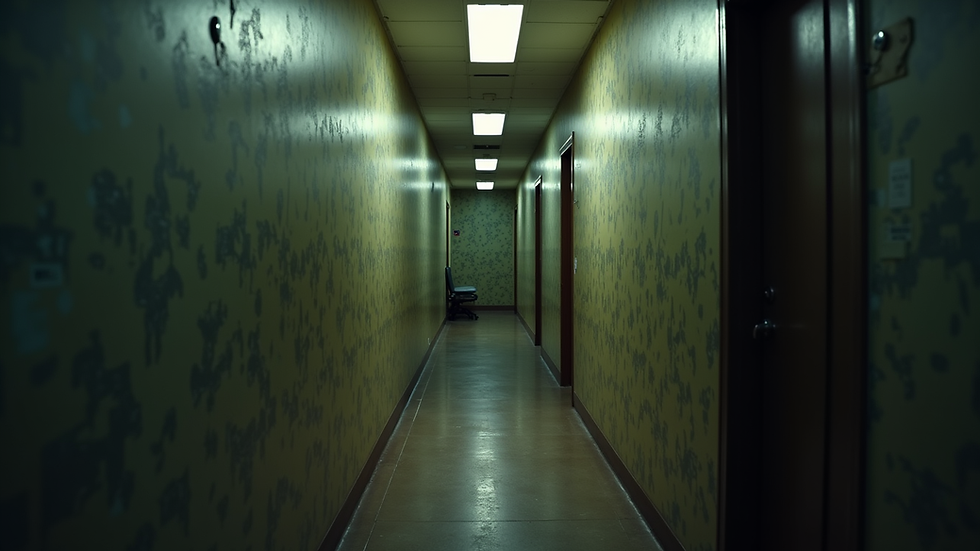
Atmosphere of Unease
The setting feels alive—breathing, watching, waiting. It’s not just a backdrop; it’s a character in its own right. Shadows lengthen. Silence screams. The world itself seems off-kilter.
Slow-Burning Suspense
The tension builds like a storm. Not with sudden jolts, but with a creeping dread that tightens its grip. Every revelation peels back another layer of mystery.
Moral Ambiguity
Right and wrong blur. Heroes have flaws. Villains have motives. This grey area keeps you guessing, unsettled, and deeply engaged.
These qualities combine to create a reading experience that’s immersive and unsettling. They pull you into a world where nothing is as it seems.

Why These Qualities Matter
You might wonder—why do these elements work so well? Why do they grip us so tightly?
Because they tap into something primal. Fear of the unknown. Fear of losing control. Fear of what lurks inside our own minds.
When a psychological thriller nails these qualities, it doesn’t just tell a story. It invades your thoughts. It makes you question your own perceptions. It lingers in the shadows of your mind.
Take Shirley Jackson’s The Haunting of Hill House. The house itself is a character—alive, malevolent, and mysterious. The narrator’s sanity is always in question. The atmosphere is thick with dread. You don’t just read it—you feel it.
Or Stephen King’s Misery. The tension is relentless. The psychological torment is raw and visceral. You’re trapped with the characters, suffocating in their nightmare.
These masters show us exactly how to wield the qualities of psychological thrillers to maximum effect.
How to Make a Good Psychological Thriller?
If you’re itching to write your own mind-bending tale, here’s a roadmap. These steps will help you craft a story that grips readers and won’t let go.
Create Complex Characters
Your protagonist should be flawed, conflicted, and layered. Give them secrets. Give them fears. Make their mind a battleground.
Build an Unsettling Atmosphere
Use setting to amplify tension. Describe sounds, smells, and shadows. Make the environment feel oppressive or eerie.
Use an Unreliable Narrator
Play with perspective. Let readers question what’s real. This keeps them on edge.
Pace Your Suspense Carefully
Don’t rush. Let tension simmer and build. Drop clues slowly. Use silence and pauses to your advantage.
Introduce Moral Ambiguity
Avoid clear-cut heroes and villains. Let characters make questionable choices. This adds depth and complexity.
Twist the Knife with Psychological Conflict
Show the internal struggles. Obsessions. Paranoia. Let the mind unravel on the page.
End with a Punch
The conclusion should shock, surprise, or haunt. Leave readers thinking long after they close the book.
By following these steps, you’ll tap into the very essence of what makes a good psychological thriller. Discover what makes a good psychological thriller and use it to craft stories that twist minds and shatter expectations.

The Power of Suspense and Atmosphere
Suspense is the heartbeat of psychological thrillers. It’s the slow drip of tension that keeps you turning pages. But suspense alone isn’t enough. Atmosphere breathes life into the story.
Think of atmosphere as the mood music of your novel. It sets the tone. It colors every scene with unease or dread.
Use vivid, sensory details. The creak of floorboards. The chill of a cold room. The flicker of a dying light. These fragments build a world that feels real—and terrifying.
Remember: less is more. Sometimes silence speaks louder than words. Sometimes a shadow in the corner of the eye is enough to send a shiver down your spine.
Why I Write Psychological Thrillers
For me, writing psychological thrillers is about exploring the darkest corners of the human mind. It’s about peeling back the layers of sanity and seeing what writhes beneath.
I want readers to feel the tension. To question reality. To be haunted by the story long after the final page.
My books are not just stories—they are experiences. They challenge perception. They twist expectations. They linger.
If you crave stories that unsettle and provoke, then you’re in the right place. Welcome to the world of MindTwist Books.
Dive Deeper Into the Mind’s Shadows
Psychological thrillers are a journey into the unknown. They challenge what you believe. They force you to confront fears you didn’t know you had.
The qualities that make these stories so compelling are also what make them timeless. They tap into universal fears and desires. They remind us that the mind is the most dangerous place of all.
So, next time you pick up a psychological thriller, lean in. Let the tension wash over you. Let the shadows whisper. And remember—sometimes, the scariest monsters live inside us.
Ready to get lost in a story that twists your mind and haunts your dreams? Keep exploring the world of psychological thrillers. The shadows are waiting.


Comments