


Elements of Engaging Psychological Thrillers

You want to dive deep. To feel the pulse quicken. To be pulled into a world where nothing is quite what it seems. That’s the power of an engaging psychological thriller. It’s not just about twists or scares. It’s about the slow burn. The creeping doubt. The mind games that leave you questioning everything - including yourself.
Let me take you through the elements that make these stories unforgettable. The kind that haunt your thoughts long after the last page. The kind that Stephen King and Shirley Jackson mastered with eerie precision. Ready? Let’s step inside the shadows.
The Heart of Engaging Psychological Thrillers: Atmosphere and Mood
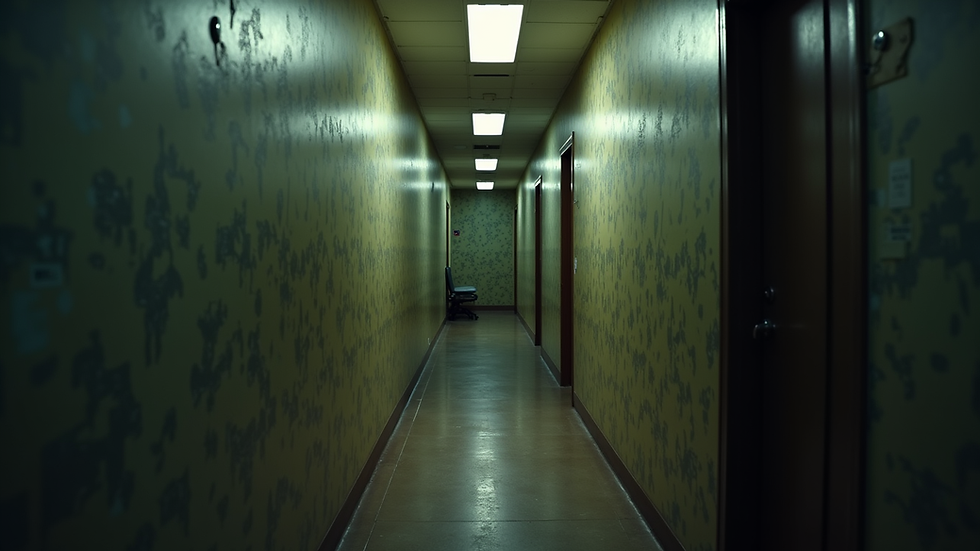
Atmosphere is the silent character in every psychological thriller. It’s the fog that clouds your vision. The creak of a floorboard in an empty house. The chill that runs down your spine when you realise you’re not alone.
An engaging psychological thriller thrives on mood. It’s not just about setting a scene but immersing the reader in it. The tension builds with every detail - the flicker of a candle, the distant howl of wind, the oppressive silence that screams louder than words.
Think of Shirley Jackson’s The Haunting of Hill House. The house itself is a living, breathing entity. It’s not just a backdrop but a source of dread. The atmosphere seeps into the characters’ minds, twisting their perceptions and unraveling their sanity.
How to create this mood?
Use sensory details that evoke unease.
Keep descriptions sparse but vivid.
Let the environment reflect the characters’ inner turmoil.
This is the soil where suspense grows. Without it, even the sharpest plot feels flat.
Crafting Characters That Haunt Your Mind
Characters in psychological thrillers are not just players in a plot. They are puzzles. Fragile, flawed, and often unreliable. The best thrillers blur the line between victim and villain, sanity and madness.
An engaging psychological thriller demands characters who are deeply human - with secrets, fears, and contradictions. They should make you question their motives. Are they trustworthy? Or are they hiding something darker?
Take Stephen King’s Misery. The protagonist is trapped, but the captor’s twisted kindness and cruelty keep you guessing. You feel the claustrophobia, the desperation, the fragile hope. It’s a masterclass in character-driven suspense.
Tips for creating compelling characters:
Give them conflicting desires and fears.
Use unreliable narration to keep readers off balance.
Reveal their backstory in fragments, like shards of a broken mirror.
Characters are the heartbeats of your story. When they falter, so does the tension.
How to Make a Good Psychological Thriller?
You want to know the secret? It’s in the layers. The slow reveal. The dance between what’s real and what’s imagined. A good psychological thriller doesn’t rush. It lets the suspense simmer, then boil over.
Start with a strong premise. A question that won’t let go. Who can you trust? What is the truth? Then build your story around that question. Every scene should add a piece to the puzzle or deepen the mystery.
Here’s a simple roadmap:
Hook: Grab attention with a chilling opening.
Build tension: Use short, punchy sentences to quicken the pace.
Twist: Flip expectations without losing credibility.
Climax: Deliver a payoff that’s both surprising and inevitable.
Aftermath: Leave room for reflection - the lingering doubt.
Remember, pacing is everything. Too fast, and you lose suspense. Too slow, and readers drift away. Balance is key.

The Power of Psychological Conflict and Mind Games
At the core of every psychological thriller is conflict - but not just external. The real battle is internal. The war inside the mind. Doubt, guilt, paranoia, obsession. These are the weapons that cut deepest.
Mind games twist the narrative. They make you question what’s true. Is the protagonist losing their grip? Or is there something sinister lurking beneath the surface? This uncertainty fuels the tension.
Consider Shirley Jackson’s We Have Always Lived in the Castle. The eerie family dynamics and creeping paranoia create a claustrophobic tension that never lets up. The mind becomes a labyrinth - and you’re trapped inside.
How to use psychological conflict effectively:
Show the protagonist’s fears through their actions and thoughts.
Use symbolism and motifs to hint at deeper issues.
Employ unreliable narrators to blur reality.
This internal struggle is what makes psychological thrillers resonate. It’s not just a story - it’s an experience.
Twists, Turns, and the Art of Unsettling the Reader
Twists are the lifeblood of psychological thrillers. But they must be earned. A cheap surprise feels like a trick. A well-crafted twist feels like a revelation.
The best twists are subtle. They reframe everything you thought you knew. They make you want to go back and reread, searching for clues you missed. They unsettle the rhythm of the story, making you question your own assumptions.
Stephen King’s The Shining is a perfect example. The horror isn’t just in the ghosts but in the slow unraveling of Jack Torrance’s mind. The twists come not from sudden shocks but from the creeping dread that something is terribly wrong.
Tips for crafting effective twists:
Plant clues early but disguise them.
Avoid over-explaining - let readers connect the dots.
Use misdirection to keep readers guessing.
Twists should deepen the mystery, not confuse it. They are the final pieces that complete the puzzle.
Why These Elements Matter for MindTwist Books
At MindTwist Books, we aim to deliver stories that don’t just entertain but haunt. Manuel S. Romero’s novels embody these elements - the atmosphere, the complex characters, the psychological conflict, and the twists that linger like shadows.
Our goal is to be the go-to publisher for readers craving that unique blend of mind-bending suspense and horror. Stories that challenge perception. Stories that stay with you long after the final page.
If you want to understand what makes a good psychological thriller, look no further. It’s in the slow burn, the unsettling mood, the fractured minds, and the unexpected turns. It’s in the stories that twist your mind and refuse to let go.
Dive in. Get lost. And don’t trust everything you see.
Ready to explore more? Keep your senses sharp. The next twist is just a page away.


Comments