


What Makes a Great Psychological Thriller? Key Traits of Thrillers That Grip You

You open the book. The air tightens. Your heart hammers. You don’t just read a psychological thriller—you live it. But what exactly pulls you in? What makes a psychological thriller unforgettable? What makes it linger in your mind long after the last page? Let me take you inside the shadows, where tension coils and the mind twists.
Key Traits of Thrillers That Hook You
Psychological thrillers are not just about scares or shocks. They are about the mind—the fragile, fractured, and often unreliable mind. Here’s what they need to do:
Create Unease: The story unsettles you. It’s not just a jump scare. It’s a slow burn. The atmosphere is thick with dread. You feel it in your bones.
Twist Reality: Nothing is quite what it seems. The line between truth and illusion blurs. You question everything. Your trust wavers.
Complex Characters: The protagonists and antagonists are layered. They are flawed, haunted, sometimes terrifyingly human. Their motives are murky.
Psychological Depth: The thriller probes the psyche. It explores fears, obsessions, and madness. It’s a journey into the darkest corners of the mind.
Pacing That Builds Tension: The story moves with purpose. It’s not rushed. It’s deliberate. Suspense tightens like a noose.
Unpredictable Plot: You think you know where it’s going. Then it veers. It surprises. It shocks.
These traits are the backbone of every great psychological thriller. They pull you in, hold you tight, and refuse to let go.

The Art of Suspense: How Thrillers Keep You Guessing
Suspense is the heartbeat of a psychological thriller. It’s the not knowing that drives you forward. How do authors master this?
Short, Punchy Sentences: They keep the rhythm sharp. No room for boredom. Every word counts.
Ellipses and Pauses: They create hesitation. They mimic the way your mind races and stumbles.
Repetition: It drills ideas into your head. It builds obsession.
Direct Address: Sometimes, the story speaks to you. It breaks the fourth wall. It pulls you deeper.
Stephen King and Shirley Jackson excel at this. Their prose is lean but vivid. They don’t waste a word. They build tension with every sentence. That’s the style I aim for in my own work—lean, suspenseful, poetic, and unsettling.
What Makes Psychological Thrillers So Good?
Why do we crave these stories? Why do they haunt us?
They Tap Into Universal Fears: Fear of the unknown, fear of losing control, fear of ourselves.
They Challenge Perception: They force us to question what we see and believe.
They Offer Catharsis: We confront darkness safely, through fiction.
They Engage the Mind: They demand attention, analysis, and emotional investment.
Great psychological thrillers don’t just entertain. They disturb. They linger. They twist your thoughts long after you close the book.

Crafting Characters That Haunt Your Mind
Characters in psychological thrillers are not heroes or villains in the traditional sense. They are complex, often unreliable narrators. Here’s how to create them:
Flawed and Human: Perfect characters don’t belong here. Give them fears, secrets, and contradictions.
Unreliable Narrators: Let the reader doubt their version of events. This deepens the mystery.
Psychological Depth: Explore their inner demons. What haunts them? What drives them to the edge?
Moral Ambiguity: Blur the lines between good and evil. Make readers question their loyalties.
For example, a protagonist might be battling trauma, addiction, or paranoia. Their reality is skewed. You never know if what they see is true. This uncertainty is the engine of suspense.
Building Atmosphere: The Silent Character
Atmosphere is the silent character in every psychological thriller. It sets the tone, mood, and emotional landscape. How do you build it?
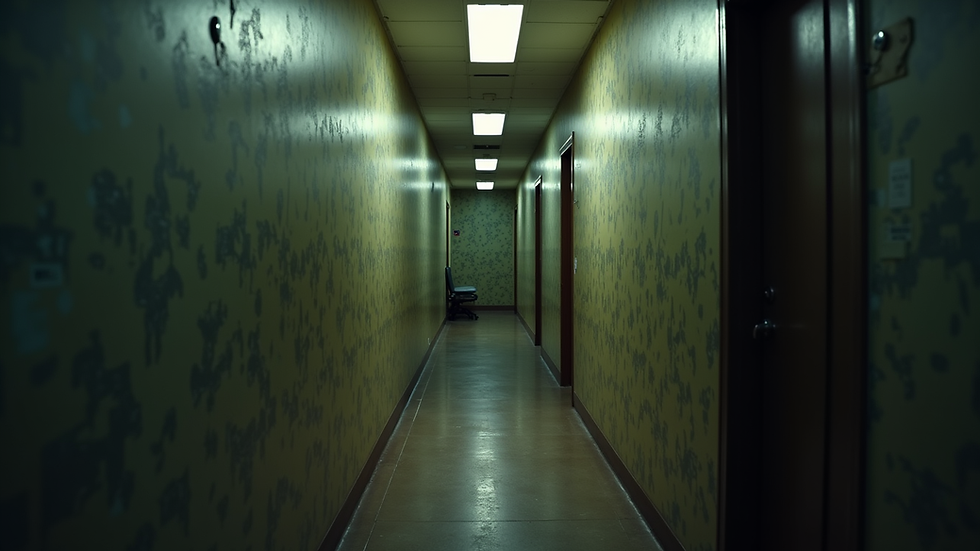
Setting: Choose locations that reflect the story’s mood. Is it a claustrophobic apartment? A foggy forest? An abandoned asylum?
Sensory Details: Use sounds, smells, textures to immerse the reader.
Symbolism: Objects or places that carry deeper meaning.
Mood Shifts: Let the atmosphere change with the story’s tension.
A well-crafted atmosphere makes the reader feel trapped, uneasy, and eager to uncover the truth.
Why You Should Care About What Makes a Good Psychological Thriller
If you want to write or simply appreciate psychological thrillers, understanding the craft is key. It’s not just about plot twists or scares. It’s about how the story makes you feel. It’s about the slow, creeping dread. The mind games. The blurred lines.
If you want to dive deeper into what makes a good psychological thriller, explore stories that challenge your perception. Stories that twist your mind and refuse to let go.
Psychological thrillers are a dance with darkness. They pull you into a world where nothing is certain. Where every shadow hides a secret. Where the mind is both weapon and victim. They are not just stories—they are experiences. And that is what makes them unforgettable.


Comments