


Psychological Thriller Writing Tips: How to Grip Readers and Twist Minds
- Manuel Sabater Romero
- Mar 2
- 4 min read

You want to write a psychological thriller. Not just any thriller. One that burrows under the skin. That lingers in the shadows of the mind. That twists perception and leaves readers gasping, questioning, haunted. You want to master the art of suspense, the slow burn of dread, the sharp sting of revelation.
This is no easy task. But it’s possible. I’ve walked this dark path. I’ve learned the rules. And I’m here to share them with you.
Crafting Suspense: Psychological Thriller Writing Tips That Work
Suspense is the heartbeat of a psychological thriller. Without it, your story is just a mystery or a drama. But with it? You pull readers into a world where every shadow hides a secret, every silence screams, and every character might be the villain.
Start with a question. Not a simple one. A question that gnaws. Who can you trust? What is real? What if your mind is lying to you? These questions should echo through your story.
Use short, punchy sentences. They speed up the pace. They create tension. They make readers hold their breath.
Repeat key phrases or images. Like a haunting refrain. It unsettles. It builds atmosphere.
Show, don’t tell. Let readers feel the fear, the paranoia, the confusion. Use vivid verbs. Shiver, creep, snap, whisper. Make the words work like a knife.
Keep your characters flawed and unreliable. They should doubt themselves. They should doubt others. Their perceptions twist and turn. This is your playground.
Example: Imagine a character who hears footsteps behind them. You don’t say “They were scared.” You say, “Footsteps. Closer. Closer. They quicken their pace. Heart pounding. But when they turn, nothing. Just the cold wind.”

Building Atmosphere: Psychological Thriller Writing Tips for Mood and Tone
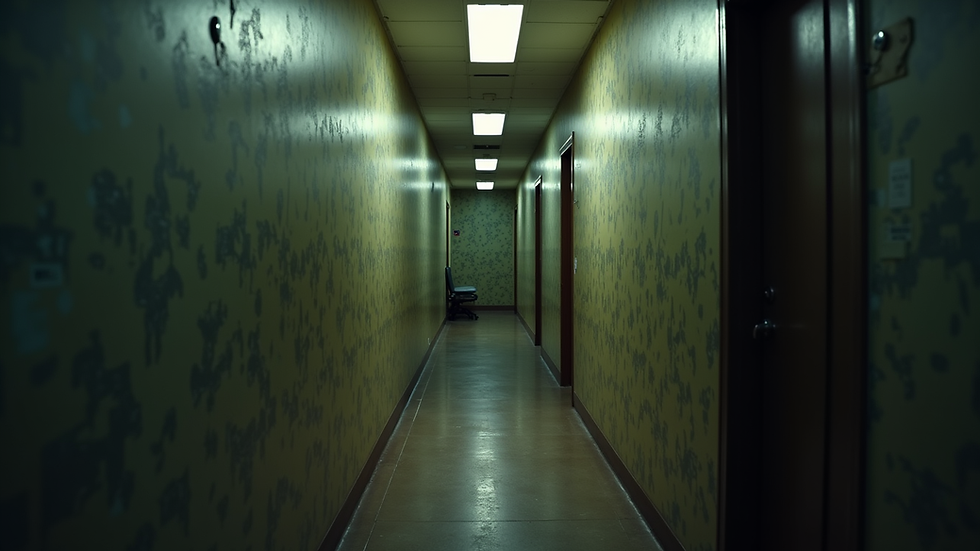
Atmosphere is your secret weapon. It’s the fog that blurs reality. The cold that seeps into bones. The silence that screams louder than words.
Use setting to reflect the mind. A crumbling house mirrors a fractured psyche. A rainy night mirrors despair. A sterile hospital mirrors isolation.
Play with light and shadow. Darkness hides truths. Light reveals lies. Flickering lights, long shadows, sudden blackouts — all tools to unsettle.
Sound matters. The creak of floorboards. The drip of water. The distant howl of wind. These sounds build tension without a word.
Keep descriptions sparse but vivid. Don’t drown readers in detail. Let their imagination fill the gaps. The unknown is terrifying.
Example: “The room smells of damp and decay. A single bulb swings overhead, casting long, twitching shadows. The silence is thick — broken only by the slow drip of water from a cracked pipe.”

How long should a psychological thriller novel be?
Length matters. Too short, and you risk rushing the tension. Too long, and the suspense might fizzle out.
Most psychological thrillers fall between 70,000 and 90,000 words. This range gives you enough room to develop complex characters, weave intricate plots, and build atmosphere without losing momentum.
Why this length? Because psychological thrillers rely on pacing. You want to keep readers on edge, turning pages fast. A tight narrative with no filler keeps the tension high.
Tip: Outline your story in acts. Build suspense gradually. End each chapter with a hook or a twist. Keep readers desperate to know what happens next.
Characters: The Heart of Your Psychological Thriller
Characters are your weapons. They carry the story. They embody the tension. They blur the line between victim and villain.
Make your protagonist flawed and vulnerable. Maybe they have a secret past. Maybe they’re battling inner demons. Maybe they can’t trust their own mind.
Create complex antagonists. Not just evil for evil’s sake. Give them motives, fears, and contradictions. Make readers question who is really the monster.
Use unreliable narrators. This is a classic psychological thriller tool. When the narrator lies, forgets, or distorts reality, readers are forced to question everything.
Example: A protagonist who suffers from memory lapses. They find clues that don’t add up. Are they being gaslit? Or losing their mind?
Dialogue should be sharp and loaded. Every word counts. Subtext is key. What’s left unsaid is often more important than what’s spoken.
Plot Twists and Pacing: Keeping Readers Hooked
Plot twists are the lifeblood of psychological thrillers. But they must be earned. They must feel inevitable in hindsight, yet shocking in the moment.
Plant subtle clues early. Let readers piece together the puzzle. But don’t reveal too much.
Use misdirection. Lead readers down one path, then pull the rug out.
Pace your reveals carefully. Build tension slowly. Then hit hard with a twist. Then build again.
Avoid clichés. Your twists should surprise, not frustrate.
Example: A character discovers a hidden diary. It reveals a truth that changes everything. But the diary itself might be a forgery.
Final Thoughts: Embrace the Darkness and Write Your Masterpiece
Writing a psychological thriller is like walking a tightrope over a pit of shadows. You balance suspense, character, and plot. You play with fear and uncertainty. You invite readers to question reality itself.
Remember: Keep it tight. Keep it tense. Keep it twisted.
If you want to dive deeper into the craft, check out this guide on how to write a psychological thriller novel.
Your story can haunt minds. It can linger long after the last page. It can be the next masterpiece in the tradition of Stephen King and Shirley Jackson — stories that don’t just entertain but unsettle, disturb, and stay with readers forever.
Now, pick up your pen. Step into the shadows. And write the thriller that will twist minds and break hearts.
MindTwist Books is here to champion those stories that challenge perception and refuse to let go. Your journey into the dark begins now.


Comments