


What Makes a Psychological Thriller Stand Out: Psychological Thriller Qualities That Grip You

You open the book. The air tightens. The shadows creep closer. You don’t just read a psychological thriller—you live it. The pulse quickens. The mind twists. You ask yourself: what makes a psychological thriller stand out? What pulls you deeper into the dark, tangled web of the human psyche?
I’ve spent years crafting stories that don’t just scare—they haunt. Stories that don’t just entertain—they unsettle. Today, I’m pulling back the curtain. Let’s dive into the psychological thriller qualities that grip you, shake you, and refuse to let go.
The Core Psychological Thriller Qualities That Hook You
Psychological thrillers are not just about suspense or mystery. They are about the mind—fragile, fractured, and unpredictable. Here’s what sets them apart:
Unreliable Narrators: You never quite know who to trust. The protagonist might be lying to you—or worse, lying to themselves. This uncertainty fuels tension. It keeps you guessing. It makes every page a puzzle.
Twisted Minds: Characters are complex, often damaged. Their motives blur between good and evil. They wrestle with inner demons, secrets, and obsessions. This psychological depth adds layers to the story.
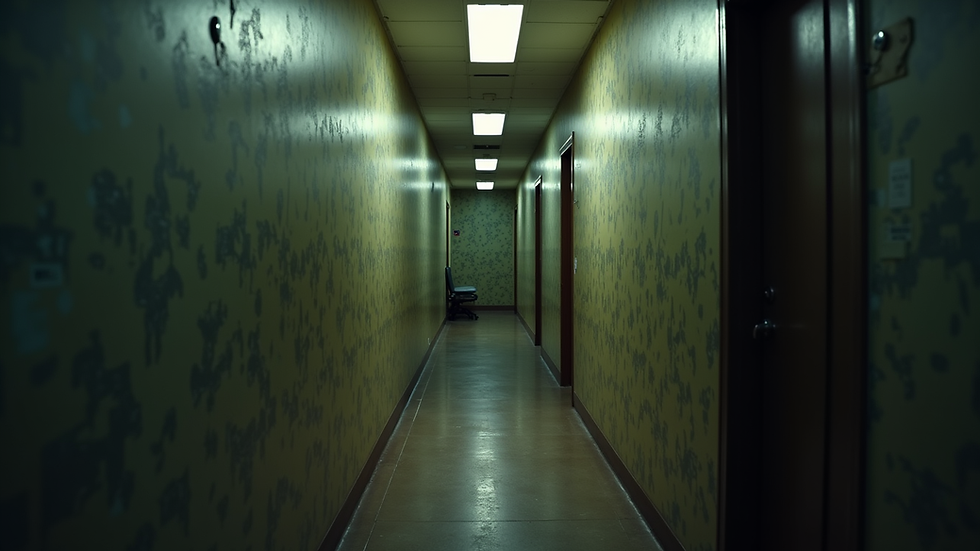
Atmosphere of Unease: The setting isn’t just a backdrop. It’s a character. Dark, claustrophobic, eerie. Every creak, every shadow feels loaded with menace. The atmosphere seeps into your bones.
Slow-Burning Suspense: It’s not about jump scares or quick shocks. It’s about building dread. The tension coils tighter and tighter until it snaps. You feel it in your gut before the reveal.
Themes of Identity and Reality: What is real? What is imagined? Psychological thrillers blur these lines. They challenge your perception. They make you question everything.
These qualities don’t just make a story thrilling—they make it unforgettable.

How to Make a Good Psychological Thriller?
Crafting a psychological thriller that stands out is an art. It’s about precision, pacing, and psychological insight. Here’s how I approach it:
Start with a Strong, Flawed Protagonist
Your main character should be deeply human—flawed, vulnerable, and complex. Their inner conflict drives the story. Think of Stephen King’s Jack Torrance or Shirley Jackson’s Eleanor Vance. They are not heroes. They are mirrors reflecting our darkest fears.
Create an Unsettling Atmosphere
Use setting and mood to amplify tension. A quiet town with secrets, a lonely house with creaking floors, a mind unraveling in isolation. Details matter. The smell of damp, the flicker of a faulty light—these small things build dread.
Play with Perspective and Reality
Use unreliable narration or shifting viewpoints. Let readers question what’s true. Is the protagonist hallucinating? Is the villain a figment of their imagination? This ambiguity keeps readers hooked.
Build Suspense Slowly and Relentlessly
Don’t rush the scares. Let tension simmer. Drop hints. Use silence and pauses. Make readers wait—and dread—the inevitable reveal.
Explore Dark Themes
Dive into fear, guilt, obsession, madness. These themes resonate deeply. They tap into primal anxieties. They make the story linger long after the last page.
Deliver a Shocking, Yet Inevitable Twist
The best psychological thrillers surprise you—but the twist feels earned. It fits the clues laid out. It changes everything you thought you knew.
Remember, what makes a good psychological thriller is not just the plot—it’s the emotional and psychological journey you take with the characters.

The Power of Atmosphere and Setting in Psychological Thrillers
Atmosphere is the silent puppeteer pulling your strings. It’s the fog that blurs the edges of reality. The creak of a floorboard in an empty house. The oppressive silence that screams louder than words.
Think of Shirley Jackson’s The Haunting of Hill House. The house itself is a living nightmare. It breathes, watches, waits. The setting becomes a trap—both physical and mental.
In my own writing, I use atmosphere to mirror the protagonist’s mind. When they spiral, the world around them distorts. Shadows lengthen. Colours fade. The environment becomes a reflection of inner chaos.
Tips to create atmosphere:
Use sensory details: sounds, smells, textures.
Employ weather and time of day to set mood.
Make the setting unpredictable—familiar yet strange.
Let the environment influence the characters’ emotions and actions.
Atmosphere isn’t just decoration. It’s a character in its own right—one that can suffocate or liberate.
Characters That Haunt You Long After Reading
Characters in psychological thrillers are not just players in a plot. They are puzzles. They are riddles wrapped in human skin. Their minds are battlegrounds.
Take Stephen King’s Misery. Annie Wilkes is terrifying not because she’s a monster—but because she’s human. Flawed, obsessive, terrifyingly real.
Or Shirley Jackson’s We Have Always Lived in the Castle. The sisters’ isolation and secrets create a chilling dynamic that stays with you.
To create unforgettable characters:
Give them deep psychological wounds.
Show their contradictions and vulnerabilities.
Let their fears and desires drive the story.
Avoid clichés—make them unpredictable.
Characters are the heart of the psychological thriller. Their minds are the labyrinths readers want to explore.
Why Psychological Thrillers Stay With You
Why do psychological thrillers linger in your mind? Why do they haunt your dreams?
Because they tap into something primal. Fear of the unknown. Fear of losing control. Fear of what’s inside us.
They don’t just tell a story—they immerse you in a world where nothing is certain. Where every shadow hides a secret. Where every thought could be a lie.
They challenge your perception. They make you question reality. They force you to confront your own fears.
And when the final page turns, the story doesn’t end. It echoes. It twists. It stays with you.
That’s the power of a psychological thriller that stands out.
If you want to dive deeper into crafting stories that twist minds and unsettle souls, keep exploring. The shadows are waiting. The mind is ready to be twisted.
Welcome to the world where nothing is as it seems.


Comments