


Crafting a Psychological Horror Novel: Mastering Horror Novel Elements

You want to unsettle. To twist minds. To linger in the shadows long after the last page closes. Writing a psychological horror novel is no gentle stroll. It’s a plunge into the dark, a dance with fear itself. You don’t just tell a story. You trap your reader inside it. You make them question what’s real. What’s imagined. What’s lurking just beyond sight.
Let me take you through the art of crafting a psychological horror novel that haunts, disturbs, and mesmerises. This is not about gore or jump scares. It’s about the slow burn. The creeping dread. The horror that lives inside the mind.
Understanding Horror Novel Elements: The Building Blocks of Fear
Every great horror novel is built on a foundation of carefully chosen elements. These are your tools. Your weapons. Your way to twist the knife just right.
Atmosphere: The mood. The tone. The feeling that wraps around your story like a cold fog. It’s not just setting. It’s the weight of the world you create. Think decaying houses, endless rain, or a silent, suffocating town.
Unreliable Narrator: This is your secret weapon. A narrator who lies, forgets, or distorts reality. They pull the rug from under your reader’s feet. Suddenly, everything is uncertain.
Psychological Conflict: The real horror lives inside the mind. Characters wrestling with guilt, madness, or trauma. Their fears become your story’s heartbeat.
Isolation: Physical or emotional. Cut off from help, from sanity, from the world. Isolation breeds paranoia. It sharpens fear.
Symbolism and Metaphor: Use objects, colours, or recurring images to hint at deeper horrors. A cracked mirror, a wilting flower, a ticking clock. These whisper secrets beneath the surface.
Pacing: Slow. Deliberate. Tense. Let the dread build. Don’t rush the terror. Let it seep in, drop by drop.
These elements are your palette. Mix them carefully. Use them boldly.

Creating Characters That Haunt: Flesh and Bone, Fear and Doubt
Characters are your readers’ anchors. But in psychological horror, they’re also the source of unease. You want them real. Flawed. Fragile.
Deep Internal Struggles: Give your characters secrets. Traumas. Fears they can’t face. Maybe a past they try to bury. These internal battles fuel the external horror.
Ambiguity: Is your protagonist sane? Or slipping? Are they the victim or the villain? Keep your readers guessing.
Relatability: Even in terror, readers must see themselves in your characters. This connection makes the horror personal.
Complex Relationships: Trust and betrayal, love and hate. These emotional tensions add layers to the fear.
For example, a character haunted by childhood abuse might see shadows that others don’t. Or a grieving spouse might hear whispers that aren’t there. Their minds become battlegrounds.
Weaving Suspense and Uncertainty: The Art of Not Knowing
Suspense is the lifeblood of psychological horror. It’s the slow drip of dread that keeps readers turning pages. But how do you create it?
Short, Punchy Sentences: Use them to quicken the pace. To jolt the reader. To mimic a racing heartbeat.
Repetition: Repeat key phrases or images. It builds obsession. It unsettles.
Ellipses and Dashes: Use these to break rhythm. To create pauses. To hint at what’s unsaid.
Direct Address: Speak to the reader. Pull them in. Make them complicit.
Unanswered Questions: Leave gaps. Let the reader fill them with their own fears.
Foreshadowing: Drop subtle hints. A creaking door. A shadow in the corner. A name whispered in the dark.
Remember, suspense is about what you don’t say as much as what you do.

The Role of Setting in Horror Novel Elements
Setting is more than a backdrop. It’s a character in its own right. It shapes mood, influences action, and reflects the inner turmoil of your characters.
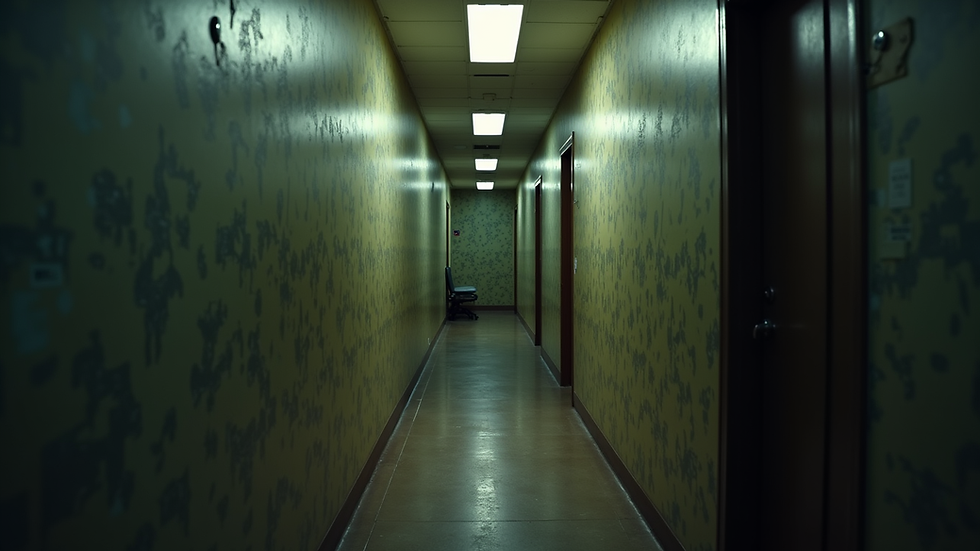
Claustrophobic Spaces: Tight rooms, narrow corridors, locked basements. These amplify fear.
Decay and Neglect: Abandoned buildings, overgrown gardens, rusted gates. They suggest forgotten horrors.
Natural Elements: Storms, fog, darkness. Nature itself becomes hostile.
Time Period: A setting in the past can add layers of superstition and mystery. The present can feel more immediate and raw.
Use setting to mirror your characters’ mental states. A crumbling house for a fractured mind. A barren landscape for loneliness.
Crafting a Mind-Bending Narrative: Twists, Turns, and the Unseen
The hallmark of a great psychological horror novel is its ability to twist perception. To make readers question everything.
Non-linear Timelines: Jump back and forth. Confuse and disorient.
Multiple Perspectives: Show conflicting versions of events.
Dreams and Hallucinations: Blur the line between reality and imagination.
Ambiguous Endings: Leave the final truth just out of reach.
These techniques keep readers off balance. They force them to piece together the puzzle. And when the pieces don’t quite fit, the unease deepens.
I’ve found that blending poetic fragments with conversational asides creates a rhythm that unsettles. Short sentences. Repetition. Ellipses... They pull the reader deeper into the mind’s labyrinth.
For those who want to dive deeper into this craft, exploring a psychological horror novel can offer invaluable insights into how these elements come alive on the page.
Breathing Life into Your Horror: Practical Tips for Writers
Write in Present Tense: It creates immediacy. The horror feels now.
Lean into Vivid Verbs: Don’t say “he walked slowly.” Say “he crept.” “He lurched.” “He staggered.”
Use Short Paragraphs: They speed up reading and heighten tension.
Show, Don’t Tell: Let the reader feel the fear. Don’t explain it.
Read Authors Like Shirley Jackson and Stephen King: Notice how they build dread with subtlety and precision.
Revise Ruthlessly: Cut anything that slows the pace or weakens the mood.
Test Your Work: Share with trusted readers who love psychological thrillers. Their reactions will guide you.
Writing a psychological horror novel is a journey into darkness. But it’s also a journey into the human soul. The fears we hide. The truths we deny.
Let your story be a mirror. A shadow. A whisper in the dark.
And remember - the most terrifying monsters are the ones we carry inside.
Craft your tale with care. Twist the knife. And watch your readers shiver.


Comments