


Unpacking Themes in Thrillers: A Dive into Darkness

I want you to lean in close. Feel the chill? That’s the pulse of a psychological thriller. It’s not just a story. It’s a trap. A maze. A whisper in the dark that won’t let you go. Themes in thrillers aren’t just ideas—they’re the shadows lurking behind every page, the silent screams beneath every word.
Let’s unravel these threads. Let’s pull at the seams until the fabric of fear unravels. You’ll see how these themes twist and turn, how they grip the mind and refuse to let go. Ready? Let’s step inside.
The Power of Fear: More Than Just Scares
Fear is the heartbeat of every thriller. But it’s not the jump scares or the loud noises. It’s the slow burn. The creeping dread. The feeling that something is wrong, but you can’t quite place it.
Think about Manuel S. Romero’s work. He doesn’t just show fear—he makes you feel it. The fear of losing control. The fear of the unknown. The fear that your own mind might betray you.
Isolation: Characters trapped in their own minds or physical spaces.
Paranoia: Trust dissolves. Everyone is a suspect. Even yourself.
Uncertainty: What’s real? What’s imagined? The line blurs.
This fear isn’t loud. It’s a whisper. A shadow. A question mark hanging in the air.

Themes in Thrillers: The Mind’s Dark Corners
Themes in thrillers dig deep. They explore the darkest parts of the human psyche. The parts we hide even from ourselves.
Identity and Madness: Who are you when your mind turns against you? Split personalities, unreliable narrators, and fractured memories are common tools. They make you question your own sanity.
Guilt and Redemption: Characters haunted by past sins. Their minds twist reality to escape or punish themselves.
Obsession: A fixation that consumes. It drives characters to madness or destruction.
These themes don’t just tell a story. They trap you inside the character’s mind. You feel their confusion, their terror, their desperation.

The Role of Setting in Building Suspense
Setting isn’t just a backdrop. It’s a character. A force. A trap.
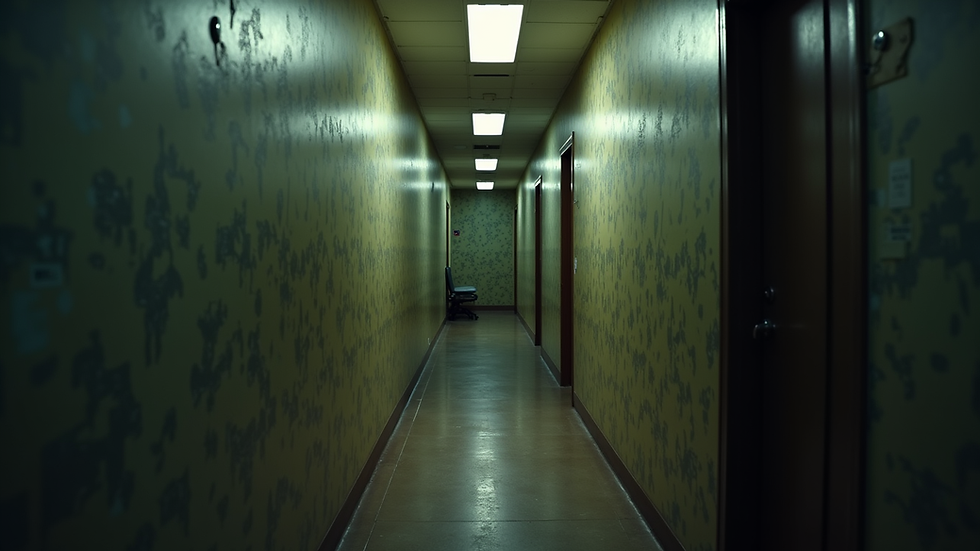
Think of the claustrophobic houses in Shirley Jackson’s stories. The oppressive silence. The creaking floors. The shadows that seem to move.
Settings in thrillers often:
Amplify isolation: Remote cabins, empty streets, locked rooms.
Reflect the mind: Twisted, confusing, labyrinthine.
Create tension: Every creak, every shadow, every silence is a threat.
Use setting to your advantage. Make it breathe. Make it watch. Make it wait.
How to Spot Themes in Psychological Thrillers
You don’t have to be a detective to see the signs. Themes in thrillers are woven into every detail.
Look for repetition: A phrase, a symbol, a fear that keeps coming back.
Notice the character’s thoughts: What haunts them? What do they avoid?
Pay attention to the ending: Is it clear? Or does it leave you questioning everything?
These clues guide you through the maze. They reveal the true horror—not monsters, but the mind itself.
If you want to dive deeper into the world of psychological thrillers, look for stories that challenge your perception. Stories that linger long after the last page.
The Last Whisper: Why Themes Matter
Themes in thrillers aren’t just decoration. They’re the soul. The reason you can’t stop reading. The reason you lie awake, heart pounding, wondering what’s real.
They make the story your story. They tap into your fears, your doubts, your darkest thoughts.
So next time you pick up a thriller, don’t just read. Listen. Feel. Question. Let the themes pull you under. Because that’s where the real story lives.
And remember—sometimes, the scariest thing isn’t what’s outside. It’s what’s inside.
Dive into the shadows. Explore the mind. And never look away.


Comments