


Crafting a Psychological Horror Novel: Mastering Horror Novel Elements
- Manuel Sabater Romero
- Jan 26
- 4 min read

You want to unsettle. To disturb. To haunt. You want your readers to question what’s real and what’s not. To feel the cold grip of fear creeping in, slow and relentless. Writing a psychological horror novel is not about gore or jump scares. It’s about the mind - the dark, twisted corridors of the human psyche. It’s about what lurks beneath the surface, unseen but deeply felt.
I’ve walked that shadowed path. I’ve wrestled with doubt, with silence, with the creeping dread that makes your skin crawl. Here’s what I’ve learned. Here’s how you can craft a story that doesn’t just scare but lingers. That stays with your reader long after the last page.
Understanding Horror Novel Elements: The Building Blocks of Fear
Fear is a shape-shifter. It wears many faces. To build a psychological horror novel, you need to understand the elements that create it. These are your tools. Your weapons.
Atmosphere: The mood. The setting. The silence that screams. A decaying house, a foggy forest, a claustrophobic room. The atmosphere sets the tone. It’s the first whisper of dread.
Unreliable Narrator: Who can you trust? The narrator’s mind is a maze. Their memories, fragmented. Their perceptions, distorted. This uncertainty pulls readers deeper into the story.
Internal Conflict: The battle within. Guilt, paranoia, madness. The protagonist’s mind becomes a battlefield. Their fears, real or imagined, twist their reality.
Slow Reveal: Don’t rush. Let the horror seep in. Clues drop like breadcrumbs. The truth unfolds piece by piece. Suspense builds. Questions multiply.
Symbolism and Metaphor: Horror is often a mirror. It reflects our deepest anxieties. Use symbols to hint at themes. A broken mirror, a shadow that never moves, a recurring nightmare.
These elements are your foundation. Mix them carefully. Layer them thick. Let them breathe.

Crafting Characters That Haunt
Characters are your story’s heart. But in psychological horror, they are also the source of terror. They must be complex, flawed, and deeply human. Readers should see themselves in these characters - then watch as their minds unravel.
Flawed Protagonists: Perfect heroes don’t belong here. Give your protagonist fears, secrets, and weaknesses. Maybe they’re haunted by a past trauma. Maybe they’re battling addiction or grief. Their vulnerability makes the horror personal.
Ambiguous Motives: Who is friend? Who is foe? Blur the lines. Characters with hidden agendas or shifting loyalties keep readers guessing.
Psychological Depth: Dive into their thoughts. Their nightmares. Their obsessions. Use internal monologues to reveal their unraveling sanity.
Isolation: Physical or emotional isolation heightens tension. A character cut off from help, trapped in their mind or environment, feels the horror more acutely.
Remember, your characters don’t just experience horror. They embody it.

Building Suspense and Unease
Suspense is the heartbeat of psychological horror. It’s the slow, steady drum that keeps readers on edge. How do you build it? How do you keep it pulsing?
Short, Punchy Sentences: Use them to quicken the pace. To mimic a racing heartbeat. To create tension.
Repetition: Repeat key phrases or images. It unsettles. It haunts. It sticks.
Ellipses and Dashes: Use these to break rhythm. To create pauses. To mimic hesitation or fear.
Unanswered Questions: Leave gaps. Let readers fill them with their own fears.
Sensory Details: Sounds, smells, textures. The creak of floorboards. The metallic scent of blood. The cold touch of a ghostly presence.
Suspense is a slow burn. It’s the quiet before the scream.
The Role of Setting in Horror Novel Elements
Setting is more than a backdrop. It’s a character in its own right. It shapes mood, influences action, and reflects the protagonist’s mind.
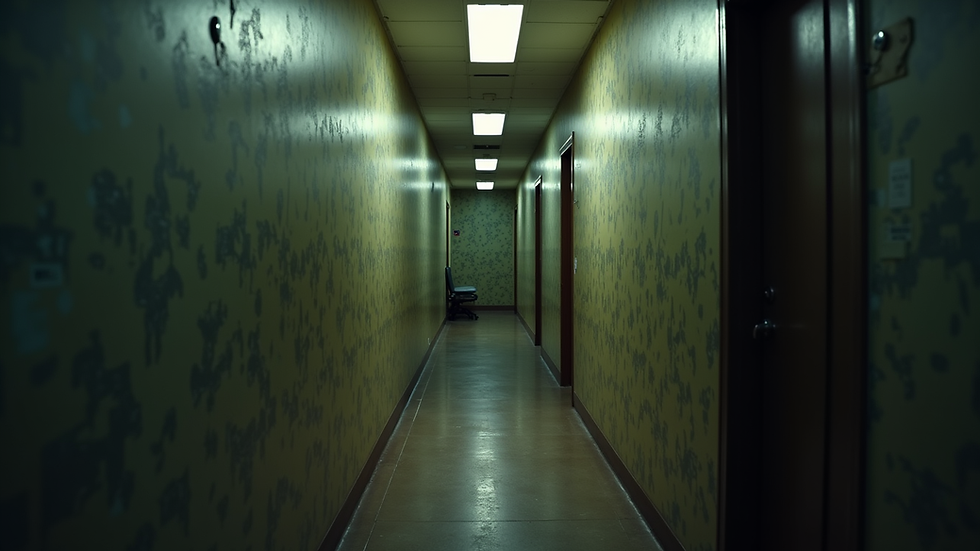
Claustrophobic Spaces: Tight rooms, locked basements, endless corridors. Spaces that trap and suffocate.
Decay and Neglect: Abandoned buildings, overgrown gardens, rusted machinery. These evoke a sense of forgotten horrors.
Nature’s Indifference: Storms, fog, darkness. The natural world as a hostile force.
Symbolic Locations: Places that echo the protagonist’s trauma or fears. A childhood home, a hospital, a mental institution.
Use setting to amplify fear. To mirror the psychological state of your characters.
Writing That Lingers: The Final Touches
You want your story to stay with readers. To haunt their dreams. To make them question what they saw, what they felt.
Ambiguous Endings: Don’t tie everything up neatly. Leave threads loose. Let readers wonder what’s real.
Themes That Resonate: Explore universal fears - loss, identity, madness. Make your horror personal and profound.
Poetic Language: Blend stark prose with lyrical moments. Use metaphor and rhythm to deepen the mood.
Pacing: Balance slow, creeping dread with moments of intense terror. Let the story breathe, then strike.
Writing a psychological horror novel means embracing uncertainty. It means trusting your reader to feel the fear between the lines.
You’re not just telling a story. You’re opening a door. You’re inviting readers into a world where nothing is certain. Where the mind is the darkest place of all. Craft your horror novel elements with care. Let the shadows grow. Let the silence scream. And watch as your story takes hold - long after the final page.
Happy writing.


Comments