


Crafting Unputdownable Psychological Thriller Novels
- Manuel Sabater Romero
- Nov 10, 2025
- 4 min read

You want to write a story that clutches the reader’s throat. A tale that twists and turns, leaving them breathless, questioning what’s real. You want to craft a psychological thriller novel that lingers in the mind long after the last page. But how? How do you build that tension? That creeping dread? That pulse-pounding suspense?
Let me take you inside my process. I write in the style of Stephen King and Shirley Jackson - raw, vivid, unsettling. Short sentences. Sharp verbs. Repetition that hammers the point home. Poetic fragments that unsettle the rhythm. Ellipses... dashes... questions that don’t quite want answers. This is how you keep readers hooked. This is how you make your story unputdownable.
The Core of Thriller Writing Strategies: Building Suspense That Bites
Suspense is the heartbeat of any psychological thriller. Without it, your story is just a shadow. You need to make readers feel the tension. Here’s how:
Start with a question. What’s the mystery? What’s the danger? Don’t reveal too much. Let the question hang, heavy and unanswered.
Use short, punchy sentences. They speed up the pace. They mimic a racing heartbeat.
Create unreliable narrators. Make readers doubt what they see, what they hear, what they believe.
Layer your clues. Drop hints that seem innocent but grow sinister over time.
Use repetition. Repeat key phrases or images to build unease.
End chapters on cliffhangers. Leave readers desperate to turn the page.
For example, in one of my novels, I open with a simple scene: a woman walking home at night. The streetlights flicker. A shadow moves just out of sight. The sentences are short. The questions immediate. Who’s following her? Why? The tension builds with every step.

Character Depth: The Heartbeat Beneath the Thriller Writing Strategies
Characters are your story’s soul. Without them, suspense falls flat. But in psychological thrillers, characters are more than just people. They are puzzles. They are unreliable. They are fractured.
Give your protagonist flaws. Maybe they’re haunted by a past trauma. Maybe they can’t trust their own mind.
Make your antagonist complex. Not just evil for evil’s sake. Give them motives that blur the lines.
Use internal conflict. Show the battle inside your characters’ heads.
Reveal secrets slowly. Let the reader peel back layers like an onion.
Take a page from Shirley Jackson’s playbook. Her characters often seem ordinary, but their minds twist in unexpected ways. That’s the kind of depth you want. It makes readers question: Is this person sane? Can I trust them?
Crafting Atmosphere: The Silent Character in Your Thriller Writing Strategies
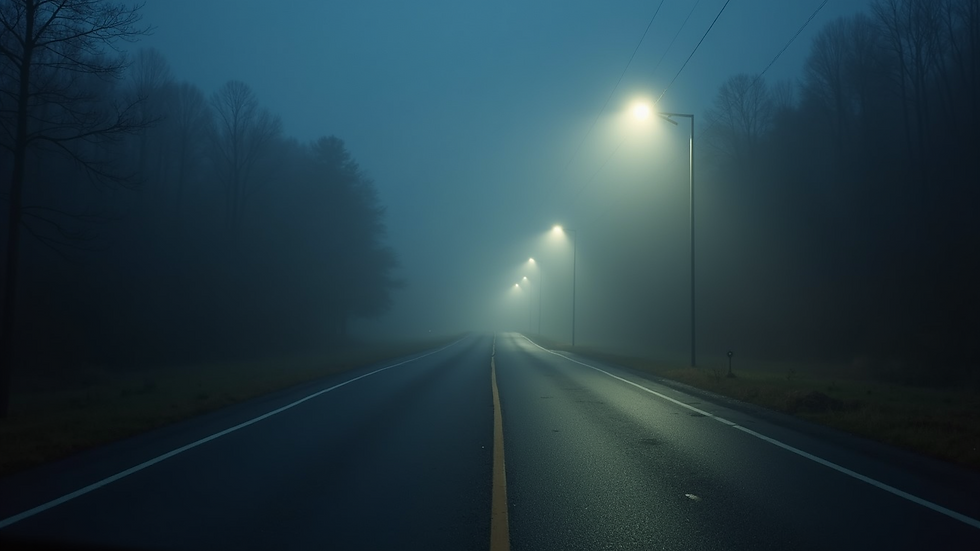
Atmosphere is the invisible thread that ties your story together. It’s the fog on the moor. The creak of floorboards. The chill in the air. It’s what makes your setting a character in its own right.
Use sensory details. Sight, sound, smell, touch, taste. Make readers feel the scene.
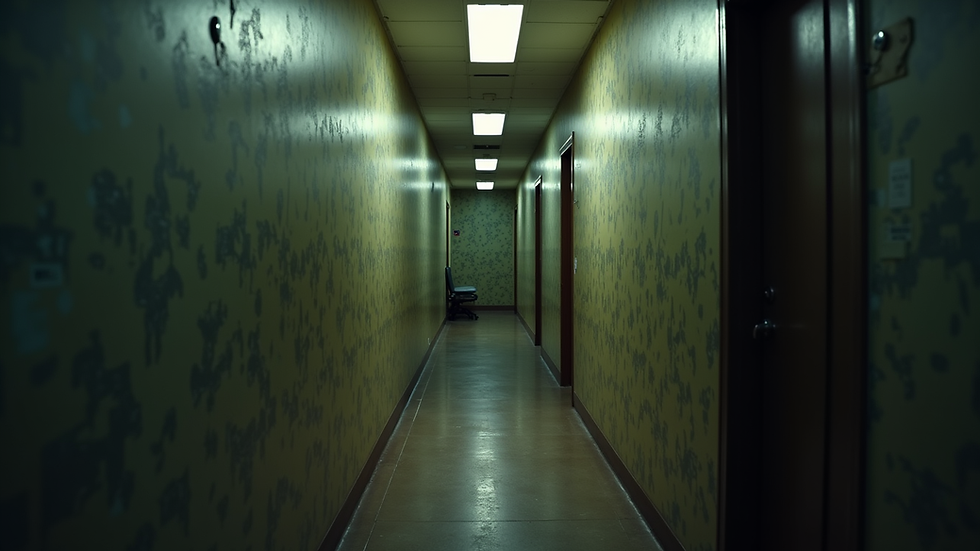
Choose settings that reflect mood. A decaying house. A lonely road. A claustrophobic room.
Play with light and shadow. Darkness hides secrets.
Use weather to mirror emotion. Storms, fog, oppressive heat.
In my books, I often set scenes in places that feel alive - almost hostile. The setting isn’t just a backdrop. It’s a trap. A prison. A mirror of the characters’ minds.
Plot Twists and Pacing: The Pulse of Thriller Writing Strategies
Plot twists are the lifeblood of psychological thrillers. But they must be earned. They must surprise and satisfy.
Plant seeds early. Foreshadow twists subtly.
Avoid clichés. Twist expectations, not just the plot.
Keep the pace tight. Don’t let the story drag.
Use multiple perspectives. Show different sides of the truth.
Build to a crescendo. Let tension rise steadily, then explode.
Remember: pacing is about rhythm. Vary sentence length. Mix fast action with slow, tense moments. Use ellipses and dashes to break the flow and unsettle the reader.
Writing Your Own Psychological Thriller Novel
If you want to dive deeper into crafting a psychological thriller novel, here’s a quick checklist to get you started:
Define your core mystery or conflict. What drives the story?
Create flawed, complex characters. Who are they really?
Build atmosphere with vivid sensory details. Where does your story live?
Plan your plot twists carefully. What will shock your readers?
Write in short, punchy sentences. Keep the pace relentless.
Use repetition and rhetorical questions. Keep readers on edge.
End chapters with cliffhangers. Make it impossible to stop reading.
Writing a psychological thriller is like walking a tightrope. Balance suspense, character, and plot. Keep your readers guessing. Keep them afraid. Keep them wanting more.
The Last Word on Crafting Unputdownable Thrillers
Writing a psychological thriller novel is a challenge. It demands precision. It demands heart. But the reward? A story that haunts. A story that grips. A story that refuses to let go.
Lean into the darkness. Trust your instincts. Write with urgency. Write with passion. Write with the knowledge that every word counts.
And remember - the best thrillers don’t just tell a story. They make you live it.
Now... what’s your next move?


Comments