


Defining Psychological Thrillers: A Dive into the Dark Mind
- Manuel Sabater Romero
- Dec 22, 2025
- 3 min read

You open the book. The pages whisper secrets. Shadows creep between the lines. You don’t just read a psychological thriller - you live it. The tension coils tight. Your breath catches. You ask yourself - what is real? What is imagined? What lurks beneath the surface of the mind?
This is no ordinary story. It’s a plunge into the abyss of human thought. A dance with fear, doubt, and obsession. Welcome to the world of psychological thrillers.
Defining Psychological Thrillers: What Sets Them Apart?
Psychological thrillers don’t rely on guns or gore. They don’t scream for attention. Instead, they whisper. They unsettle. They twist your perception until you question everything. The tension is internal - inside the characters, inside your head.
Here’s what makes them tick:
Mind games: Characters manipulate, deceive, and unravel. Trust is a fragile thread.
Unreliable narrators: Who’s telling the truth? Who’s hiding secrets? You never know.
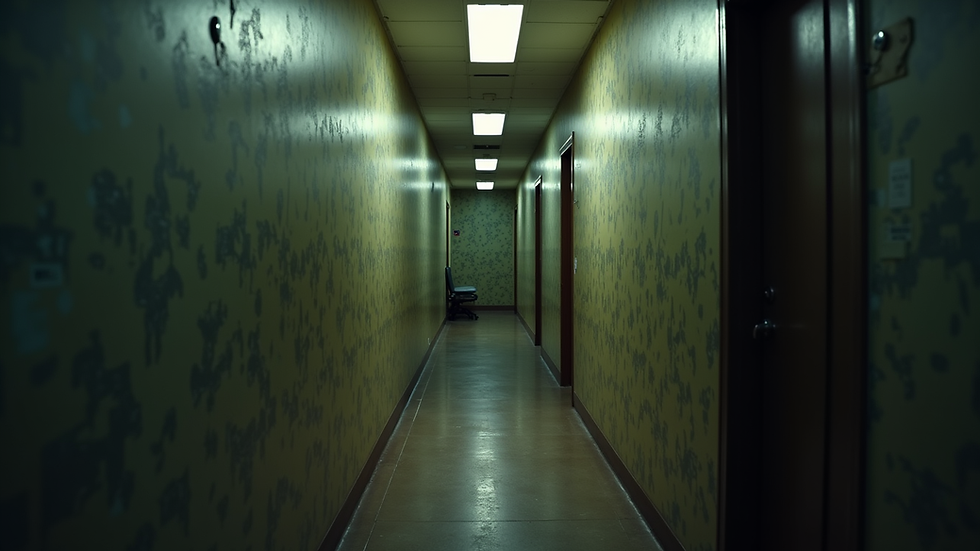
Atmosphere: Dark, claustrophobic settings that mirror the turmoil within.
Slow burn suspense: The dread builds, layer by layer, until it explodes.
Themes of identity and sanity: Who are we when stripped bare? What happens when the mind fractures?
Think of Stephen King’s Misery or Shirley Jackson’s The Haunting of Hill House. They don’t just scare you - they burrow deep into your psyche. That’s the power of a psychological thriller.

The Anatomy of a Psychological Thriller Novel
Let’s break it down. What ingredients create that perfect storm of tension and unease?
1. Complex Characters
Characters aren’t just good or bad. They’re layered. Flawed. Vulnerable. Maybe the protagonist is haunted by past trauma. Maybe the antagonist is charming but deadly. Their minds are battlegrounds.
2. Twists and Turns
Expect the unexpected. A sudden revelation. A betrayal. A secret that changes everything. But these twists aren’t cheap tricks. They’re earned. They deepen the mystery.
3. Psychological Conflict
The real fight is internal. Fear, guilt, paranoia, obsession. The characters wrestle with their own minds. And so do you.
4. Pacing That Builds Unease
Not too fast. Not too slow. The rhythm is jagged. Sentences snap. Scenes linger. The suspense tightens like a noose.
5. Symbolism and Metaphor
Objects, settings, even weather reflect the characters’ mental states. A cracked mirror. A storm raging outside. A locked door. These details echo the story’s themes.
This is the blueprint. But the magic? That’s in the writing. The voice. The atmosphere. The way the story seeps under your skin.
Crafting Suspense: The Writer’s Toolbox
How do authors keep you on edge? How do they make you turn pages in the dead of night?
Short, punchy sentences: They hit hard. No fluff. No distractions.
Repetition: A word, a phrase, a sound. It haunts you.
Ellipses and dashes: They break the flow. Create pauses. Build tension.
Direct address: Sometimes, the narrator speaks to you. Pulls you in.
Vivid verbs: They don’t just describe. They attack your senses.
Imagine a scene where the protagonist hears footsteps behind them. The author writes:
Footsteps. Closer. Closer. I don’t dare turn. I can’t. The silence screams.
You feel it. The panic. The dread. The uncertainty.

Why We Crave Psychological Thrillers
Why do we willingly dive into darkness? Why do these stories grip us so tightly?
They challenge perception: Nothing is as it seems. You question reality.
They explore the human mind: Our fears, desires, and secrets laid bare.
They linger long after the last page: The story doesn’t end. It echoes.
They offer catharsis: Facing fear in fiction helps us face it in life.
They satisfy curiosity: What happens when the mind breaks? When morality blurs?
For readers who love psychological thrillers and horror, these novels are a playground for the mind. They’re puzzles, nightmares, and confessions all at once.
If you want to experience this fully, try a psychological thriller novel that grips you from the first sentence and never lets go.
The MindTwist Promise: Stories That Stay With You
At MindTwist Books, we don’t just publish stories. We deliver experiences. Manuel S. Romero’s novels are crafted to twist your mind, challenge your senses, and haunt your thoughts.
Expect:
Unpredictable plots that keep you guessing.
Characters who feel real and raw.
Atmospheres thick with tension and dread.
Writing that blends poetic fragments with sharp, direct prose.
Our goal? To be your go-to source for psychological thrillers and horror that don’t just entertain - they unsettle.
Dive in. Let the darkness in. And see how far your mind can stretch before it snaps.
Ready to lose yourself? Pick up a MindTwist novel today. Your mind will thank you - or maybe it won’t.


Comments