


Defining Psychological Thrillers: The Dark Art of Mind Games
- Manuel Sabater Romero
- Dec 22, 2025
- 4 min read

Updated: Jan 5
You open the book. The air tightens. Shadows creep closer. You don’t just read a psychological thriller - you live it. Every page is a pulse. Every sentence, a whisper. You feel the chill before the storm. The mind twists. The truth slips. You ask yourself - what is real? What is imagined? What lurks beneath the surface?
This is no ordinary story. This is a psychological thriller. A genre that claws at your sanity. It drags you into the labyrinth of the human mind. Fear is not just outside - it’s inside you. And it’s relentless.
What Makes a Psychological Thriller Tick?
Let’s strip it down. What defines a psychological thriller? It’s not just suspense. It’s not just mystery. It’s the mind itself that’s the battleground. Characters wrestle with their own demons. The plot twists like a serpent. The tension tightens like a noose.
Psychological depth: Characters are complex, flawed, and often unreliable. Their thoughts and emotions are the story’s pulse.
Suspense and tension: The narrative keeps you on edge. You never know who to trust - or what’s true.
Themes of identity and perception: Reality blurs. Memory falters. What you see is never what you get.
Dark, unsettling atmosphere: The setting mirrors the chaos within. Shadows lengthen. Silence screams.
Think of Stephen King’s Misery or Shirley Jackson’s The Haunting of Hill House. They don’t just scare you. They invade your mind. They make you question your own reality.

Defining Psychological Thrillers: The Heart of the Genre
Here’s the secret - psychological thrillers are about control. Who holds it? Who loses it? The tension is not just external but internal. The battle is within the mind. The stakes? Sanity. Survival. Truth.
Characters often face:
Paranoia: Every shadow hides a threat. Every whisper is a lie.
Obsession: Fixation on a person, a secret, a past event that refuses to die.
Isolation: Physical or emotional, it amplifies fear and confusion.
Moral ambiguity: Heroes and villains blur. Good and evil twist into one.
The plot is a puzzle. Pieces don’t fit at first. You question your own assumptions. The narrative may jump between perspectives, unreliable narrators, or fragmented memories. It’s a dance of deception.
This is why the psychological thriller novel is so addictive. It’s a mind maze. You want to escape - but you can’t. You want to know the truth - but it slips away.

The Power of Atmosphere and Setting
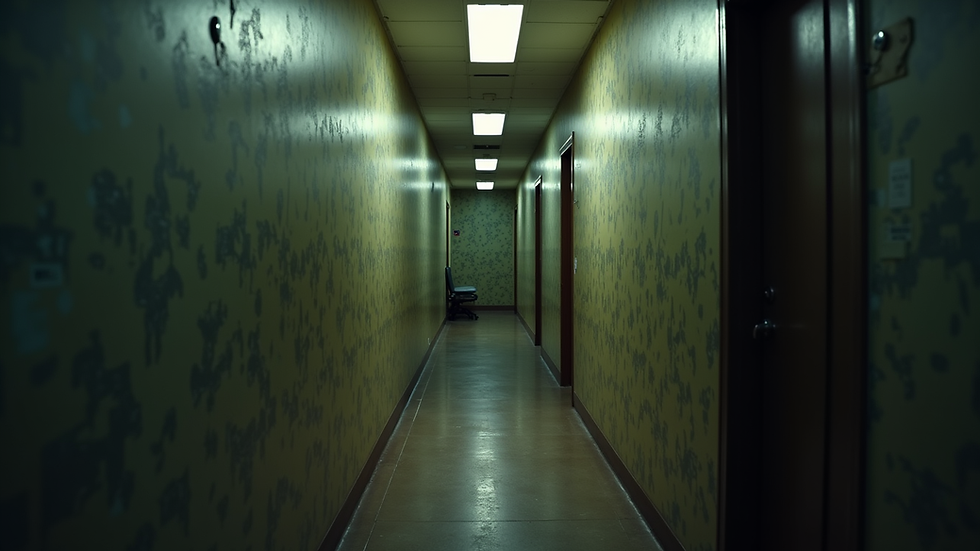
Atmosphere is the silent character in every psychological thriller. It’s the fog that clouds your vision. The creak in the floorboards. The cold breath on your neck. It’s not just where the story happens - it’s how it feels.
Crafting the Perfect Setting
Settings often include:
Claustrophobic spaces: Small rooms, isolated houses, confined places that trap characters and readers alike.
Everyday places turned sinister: A familiar street, a quiet town, a family home that hides dark secrets.
Unsettling natural environments: Dense forests, abandoned buildings, stormy nights.
The setting amplifies the psychological tension. It mirrors the characters’ inner turmoil. It becomes a trap, a prison, a threat.
When I write, I imagine the setting as a living thing. It breathes. It watches. It waits. It’s part of the story’s heartbeat.
Crafting Characters That Haunt You
Characters in psychological thrillers are not just players - they are puzzles. They are shadows with secrets. They are unreliable narrators who may deceive even themselves.
Building Unforgettable Characters
To create characters that linger:
Give them flaws that matter: Fear, guilt, obsession, trauma.
Make their motivations murky: What drives them? What do they hide?
Use unreliable narration: Let readers question what’s real.
Show their psychological unraveling: Small cracks that grow into fractures.
Take Manuel S. Romero’s work, for example. His characters don’t just face external threats. They face the monsters within. Their minds twist and turn, dragging readers into the depths of fear and doubt.
Why We Keep Coming Back
Why do we crave these stories? Because they challenge us. They unsettle us. They make us question what we know about ourselves and the world.
The Allure of Psychological Thrillers
A great psychological thriller:
Lingers long after the last page: The questions don’t end.
Makes you second-guess your own mind: What if you’re the unreliable narrator of your own life?
Blends horror with suspense: Fear is not just physical but mental.
If you want to dive into a psychological thriller novel, look for stories that twist perception, blur reality, and haunt your thoughts.
The MindTwist Promise: Stories That Stay With You
At MindTwist Books, we don’t just publish thrillers. We publish experiences. Manuel S. Romero’s stories are crafted to unsettle, to challenge, to linger. They are not for the faint-hearted. They are for those who want to explore the darkest corners of the mind.
So, if you want to lose yourself in a world where nothing is as it seems, where every shadow hides a secret, and every truth is a lie - you’ve come to the right place.
Dive in. The mind is waiting.
Embrace the Darkness
In the end, it’s about embracing the darkness. The thrill of the unknown. The thrill of the mind. You’ll find yourself questioning everything. What’s real? What’s imagined?
Every story is a mirror. Reflecting your fears. Your desires. Your deepest thoughts. Are you ready to look? Are you ready to dive deeper?
The journey into the psychological thriller is not just a trip through pages. It’s a plunge into the depths of your own psyche. Are you prepared for what you might find?
The mind is a labyrinth. And every turn leads to a new revelation... or a new terror.
So, turn the page. Let the story unfold. Let the mind twist.


Comments