


Unsettling Journeys: Discover
- Manuel Sabater Romero
- Nov 26, 2025
- 4 min read

Updated: Feb 4
The Power of Psychological Horror
Unlike traditional horror that relies on jump scares or gore, psychological horror works by unsettling the mind. It explores fear through the lens of the human psyche, often blurring the lines between reality and illusion. Julia excels in this genre by focusing on the internal struggles of its characters rather than external monsters.
The novel’s strength lies in its ability to create a slow, creeping dread. Readers are drawn into Julia’s fractured mind, experiencing her confusion, paranoia, and fear firsthand. This approach makes the horror feel personal and inescapable.
What Sets Julia Apart
A Fractured Mind at the Center
At the heart of Julia is a deeply unreliable narrator. Julia’s perspective is fragmented, making it difficult to distinguish between what is real and what is imagined. This narrative style keeps readers on edge, constantly questioning the truth.
Symbolism That Sticks
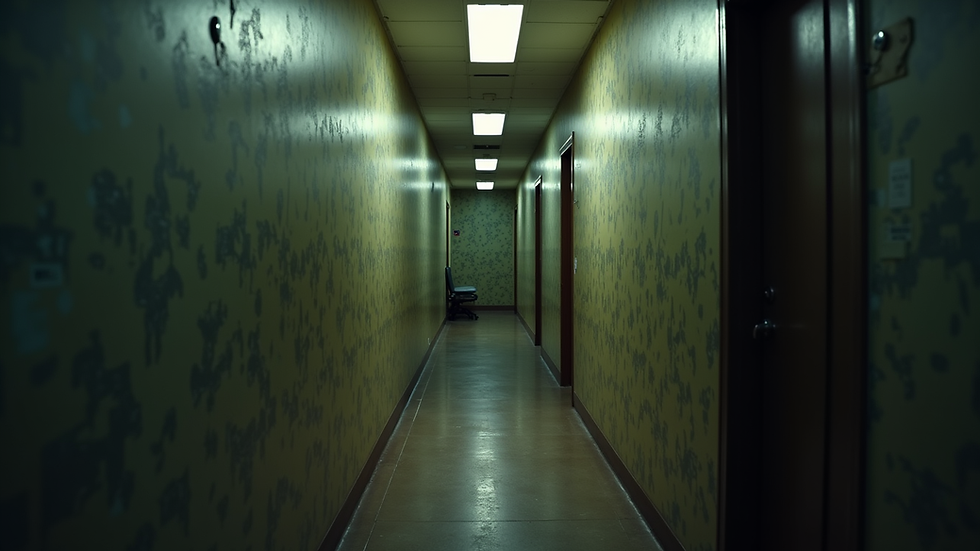
One of the novel’s most haunting images is a small wooden chair in the corner of a room. This seemingly simple object becomes a powerful symbol of Julia’s mental state and the darkness lurking beneath the surface. It’s a detail that stays with readers, much like the novel itself.
Slow-Burn Tension
Julia does not rush its scares. Instead, it builds tension gradually, allowing the horror to seep into every page. This pacing suits readers who appreciate stories that unfold like a puzzle, revealing layers of meaning and fear over time.
The Significance of the IngramSpark Editorial Selection
Being chosen as an IngramSpark Editorial Selection is a major achievement for any indie author. It means a panel of industry professionals recognized Julia for its quality and impact. This selection helps the book reach a wider audience and signals to readers that it is worth their time.
For an indie psychological horror novel to receive this spotlight is especially notable. It highlights the growing recognition of independent authors who push boundaries and offer fresh voices in the genre.
Why Readers Should Pick Up Julia
Unreliable Reality
The novel challenges your perception, making you question what is true.
Deep Psychological Exploration
It delves into mental health and trauma with sensitivity and depth.
Memorable Imagery
Symbolic elements like the wooden chair create lasting impressions.
Thought-Provoking Ending
The conclusion forces readers to rethink the entire story.
If you enjoy stories that stay with you, Julia offers a haunting experience that goes beyond typical horror.
Tips for Readers New to Psychological Horror
If you’re new to this genre, Julia is a great entry point. Here are some tips to enhance your reading experience:
Read Slowly
Take your time to absorb the details and atmosphere.
Reflect on the Symbolism
Notice recurring images and what they might represent.
Keep an Open Mind
Accept that the narrator may not be reliable and embrace ambiguity.
Discuss with Others
Sharing interpretations can deepen your understanding.
The Haunting Atmosphere of Julia
Julia envelops you in a chilling atmosphere. The settings are meticulously crafted. Each room, each shadow, breathes life into the story. You feel the weight of Julia's world pressing down on you. The air thickens with tension. It’s as if the walls themselves whisper secrets.
The Role of Setting
The settings in Julia are not mere backdrops. They are characters in their own right. Each location reflects Julia's mental state. The dimly lit corners mirror her fears. The empty rooms amplify her loneliness. The reader is drawn into this haunting landscape. You can almost hear the echoes of her thoughts.
The Unseen Forces
What lurks in the shadows? What unseen forces shape Julia's reality? The novel teases these questions, leaving you on the edge of your seat. You find yourself peering into the darkness, searching for answers. But the truth is elusive. It slips through your fingers like sand.
The Emotional Depth of Julia
Julia is not just a horror story. It’s a deep dive into the human experience. It explores themes of trauma, loss, and the fragility of the mind. You connect with Julia on a visceral level. Her pain becomes your pain. Her struggles resonate deeply.
Navigating Trauma
The novel navigates the complexities of trauma with grace. It doesn’t shy away from the difficult topics. Instead, it confronts them head-on. You witness Julia's journey through her darkest moments. You feel her despair, her anger, and her moments of clarity. It’s a raw, unfiltered look at the human psyche.
The Impact of Mental Health
Mental health is a central theme in Julia. The novel sheds light on the often-stigmatized issues surrounding it. It encourages empathy and understanding. You are invited to walk alongside Julia as she battles her demons. This journey is both unsettling and enlightening.
Final Thoughts
Julia by Manuel Sabater Romero is more than a horror novel. It is a psychological journey that unsettles and challenges readers. Its selection as an IngramSpark Editorial Selection confirms its quality and significance in indie publishing.
If you seek a story that lingers in your mind, disturbs your sense of reality, and rewards careful reading, Julia is waiting for you. Dive into its dark world and discover a novel that refuses to let go.
In the end, you may find yourself questioning everything... What is real? What is imagined? The answers lie within the pages of Julia.


Comments